Free Delivery

Shipping PAN India

120 Day Warranty

Discreet Shipping
COD Available
Free Delivery
Shipping PAN India
120 Day Warranty
Discreet Shipping
COD Available
Free Delivery
Shipping PAN India
120 Day Warranty
Discreet Shipping


Your pleasure is as valid as your skincare routine. It's time to treat it that way.
We have made peace with therapy. With journaling. With meditation apps, cold plunges, and elaborate skincare routines. We talk about these things openly on social media, in conversations, in wellness content that celebrates every form of self-tending. And then, quietly, without discussion, we continue to treat solo pleasure as something else entirely. Something private not by preference but by shame. Something that exists in a category separate from every other form of care we extend to ourselves.
That category is wrong. And it’s time to dissolve it.

What Self-Care Actually Means
The wellness industry has productised self-care into something that requires purchasing: the right serum, the right supplement, the right routine. But self-care at its most basic is the practice of giving your body and mind what they need to function well. Sleep. Nourishment. Movement. Rest. Emotional regulation.
Pleasure belongs in this list. Not as a reward for completing the other things, but as a biological need in its own right. Orgasm releases oxytocin, dopamine, and endorphins. It reduces cortisol. It relieves physical tension. It improves sleep. These are not incidental side effects. They are the body’s designed response to pleasure, and the body needs that response the same way it needs other forms of care.
When you exclude solo pleasure from your idea of self-care, you are not being virtuous. You are being incomplete.
The Shame That Sits Between You and It
Most people learned, explicitly or implicitly, that solo pleasure was shameful. It was not discussed at home. It was not acknowledged in school. In many cases, religion actively condemned it. The media, when it depicted it at all, treated it as either comedic or furtive. The message, repeated across enough surfaces for long enough, became internalised: this is something to hide.
That internalised message does not disappear in adulthood. It lives in the half-second hesitation before buying a product online. In the browser window, cleared immediately afterwards. In the feeling, which many people recognise but rarely name, that even in complete privacy, something disapproving is watching.
Naming this shame is not self-indulgent. It is the first step to separating it from a practice that deserves none of it. The shame was taught. It can be examined. And once examined, it becomes much harder to sustain.

What Changes When You Take It Seriously
When solo pleasure is treated as self-care given real time, real privacy, and real intention, several things shift. The experience itself improves, because rushed, guilty pleasure is a diminished version of the same act done with attention and care. Understanding of your own body deepens, because you are paying attention rather than moving quickly past.
And something subtler happens: the relationship with your own sexuality changes. People who have a healthy solo practice report more comfort discussing desires with partners, more confidence in sexual encounters, and a greater sense of ownership over their own pleasure, not because it was given to them by someone else, but because they developed it themselves.
Self-knowledge is not built in performance. It is built in private, in quiet, in the moments that belong only to you.
Making Space for It
Give it real time. Not the last five minutes before sleep, squeezed between exhaustion and unconsciousness, but actual time the same you’d give to a bath, a workout, or a proper meal. Create a context: privacy, warmth, no notifications, an environment that signals to your nervous system that this time is yours.
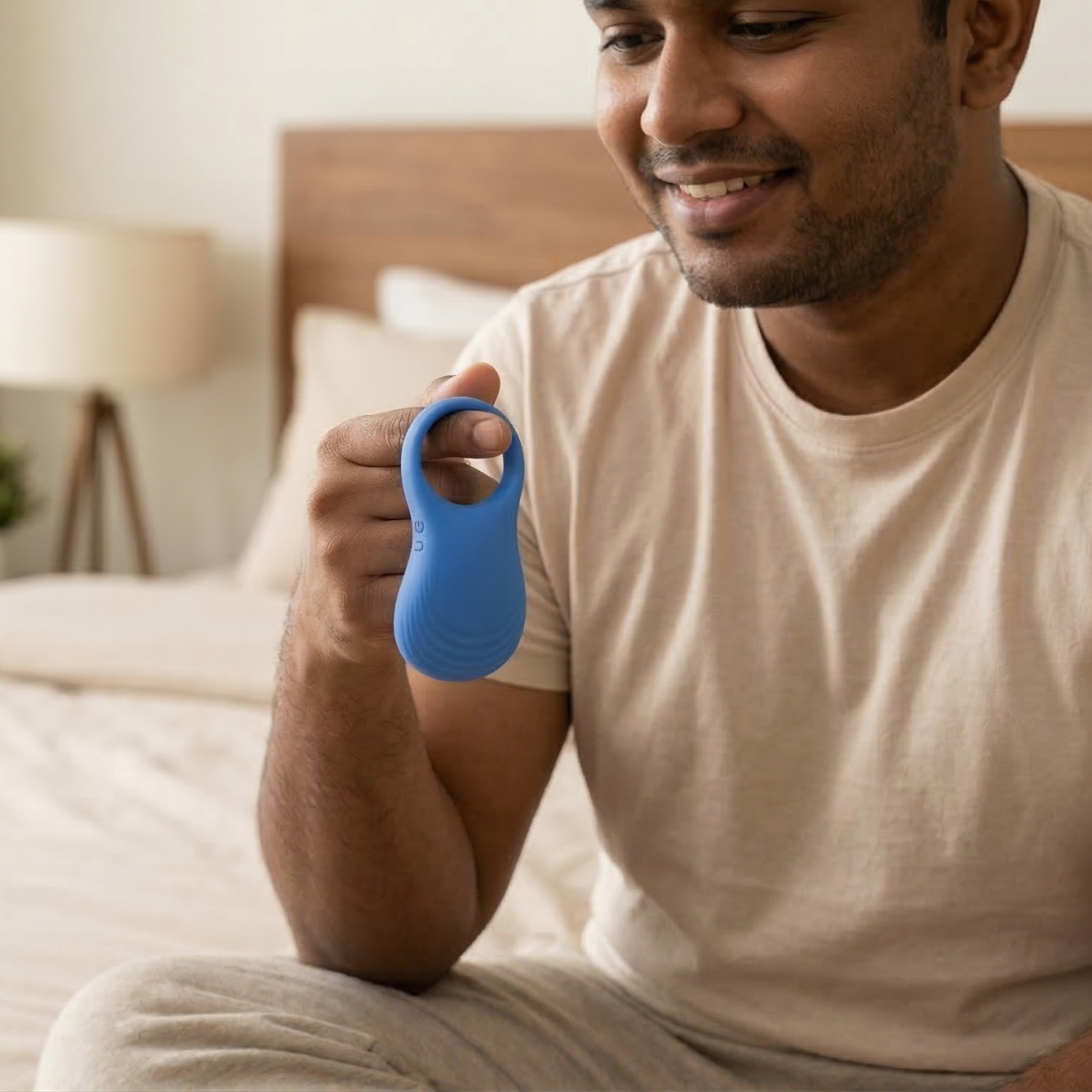
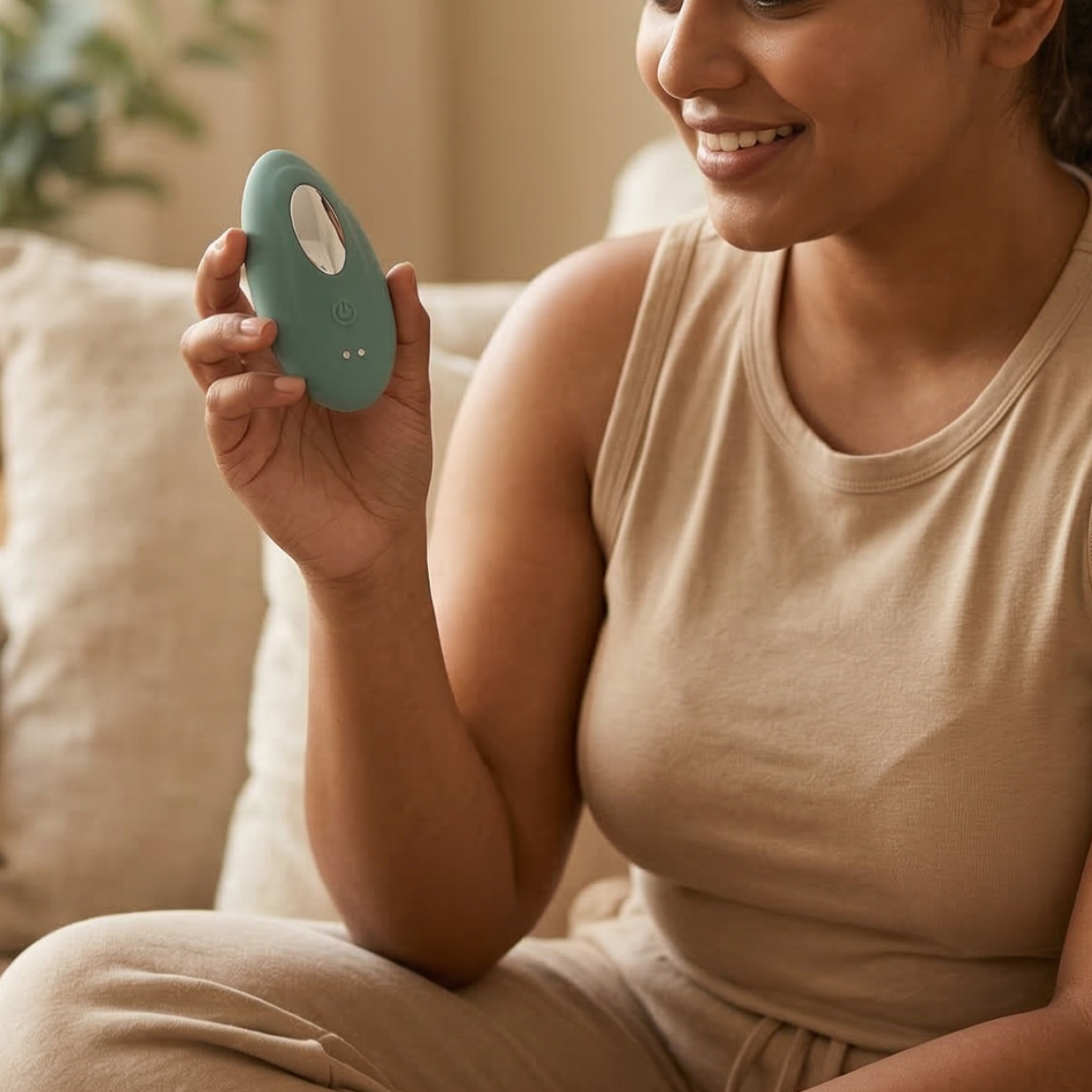
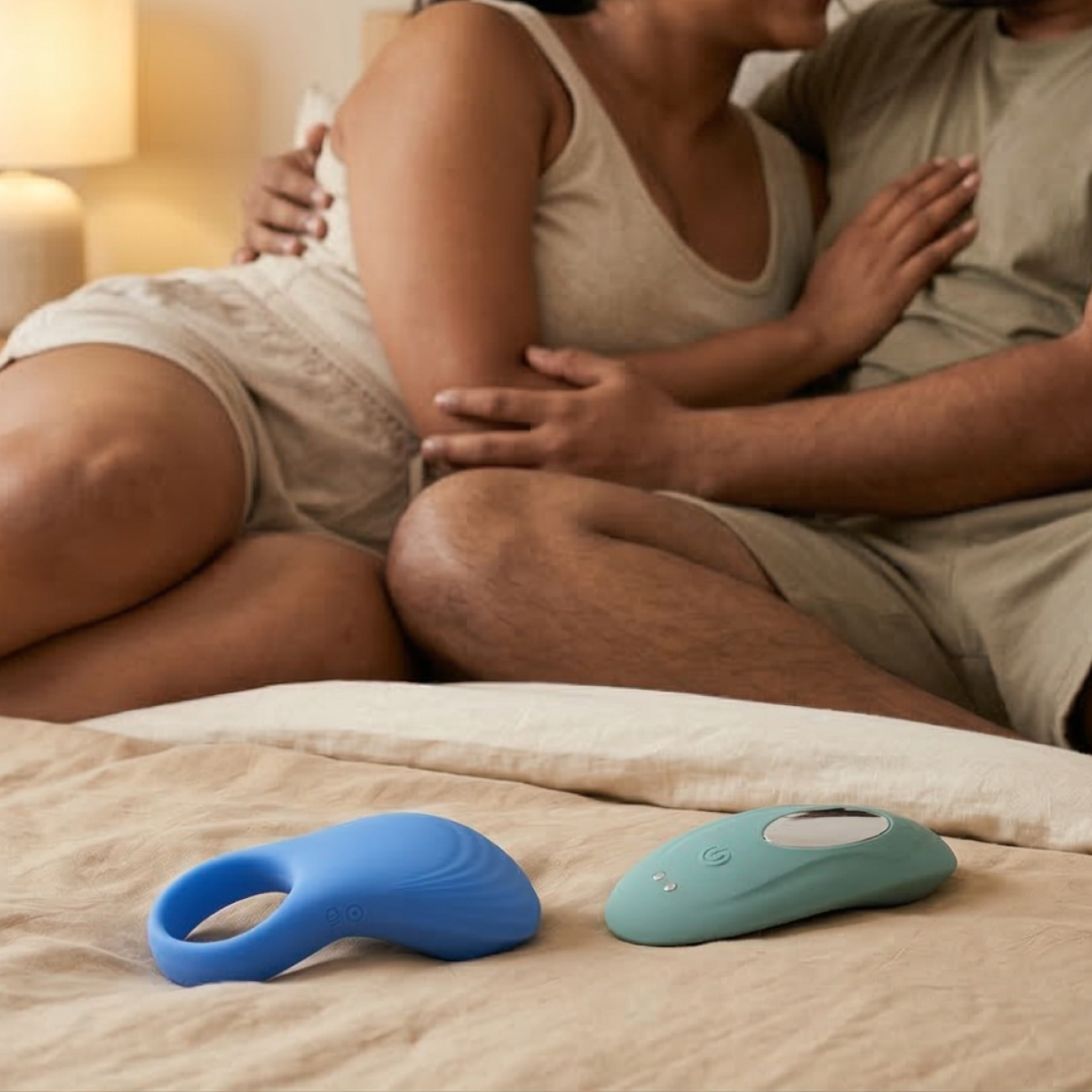
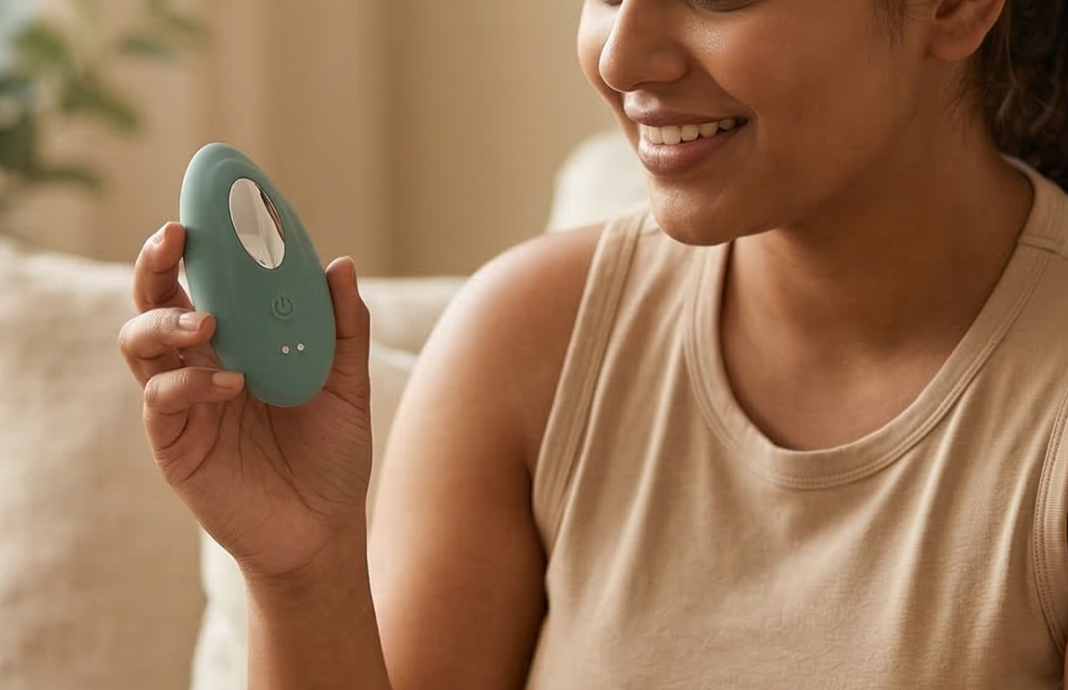
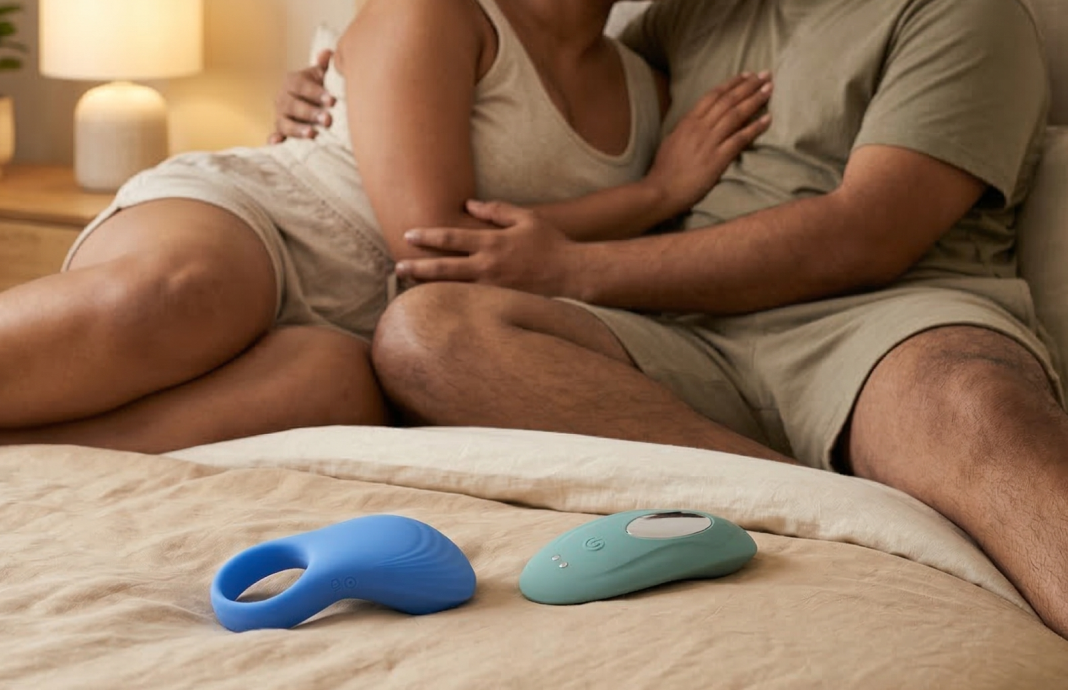
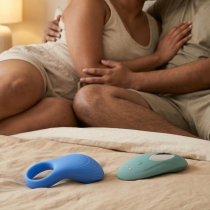
Use what helps. A product designed specifically for your pleasure a finger vibrator that sits naturally on your hand, a suction device that delivers a different quality of stimulation is not a crutch or a sign of something missing. It is a tool, just like a foam roller is for muscle recovery. Using it well requires no justification.
And then: stay. Don’t rush to a conclusion. Pay attention to what feels good at each moment, not just at the end. The practice of being present with your own body is, itself, a form of care.

The Permission You’ve Already Had
You do not need anyone’s permission to treat your own pleasure as a legitimate need. You do not need to justify the time, the curiosity, or the products. Your body’s capacity for pleasure is not something that requires external validation to become real.
Stop treating it like a secret. Start treating it like what it is: one of the most honest forms of care you can extend to yourself.


You deserve simple but powerful intimacy and self-care essentials - Let’s get you started

You saved ₹576.88
Cart Value - 0
Verify your phone number to place your order

100% Discreet

Body-Safe Design

Wellness-Led Pleasure
Use your saved addresses on checkout network by entering the OTP.
Enter OTP sent to verify +91 1234567890